









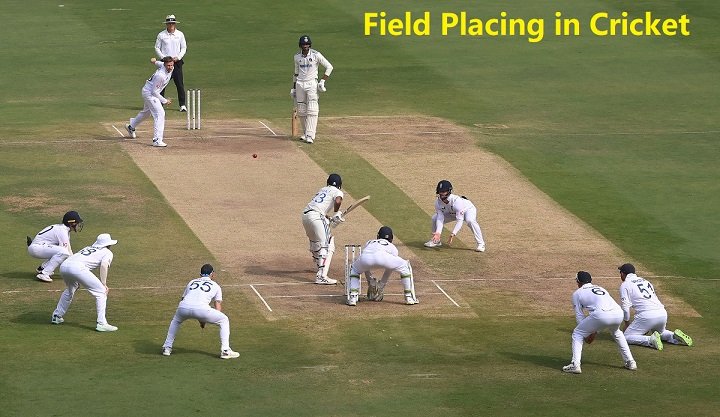
Field Placing in Cricket
Cricket is a recreation wherein strategy matters simply as much as skill, and discipline setting is one of the maximum vital tactical factors which could exchange the outcome of a fit. Whether it is a Test healthy, ODI, or T20 recreation, the way a captain positions fielders can create stress, take wickets, and control the scoring rate. Field Placing in Cricket
This precise guide explains all subject positions, styles of area placements, diagrams, policies, techniques, and tables, making it the precise resource for college kids, younger cricketers, and fanatics.
What Is Field Placing in Cricket?
Field placing refers back to the strategic association of fielders at the cricket subject based totally at the bowler’s plan, pitch situations, batsman’s strengths, suit state of affairs, and game format. A desirable discipline placement allows the team:
- Restrict runs
- Create wicket-taking possibilities
- Build strain at the batter
- Protect limitations
- Exploit batter weaknesses
A captain, together with the bowler and wicketkeeper, decides where to vicinity each fielder.
Basic Fielding Sides: Off Side and Leg Side
To recognize fielding positions, you should recognise the 2 sides of a batter:
1. Off Side
The side of the sector this is in the front of the batter’s bat and dominant hand.
2. Leg Side (or On Side)
The aspect in the back of the batter’s legs and body.
Complete List of Field Placing in Cricket
Here are all main area positions used in cricket, divided into off side and leg side categories.
1. Close-in Fielding Positions
These are positioned close to the batsman to apply strain and take catches.
- Slip
- Gully
- Leg Slip
- Silly Point
- Short Leg
- Leg Gully
- Forward Short Leg
- Backward Short Leg
- Short Mid-Wicket
- Short Cover
2. Infield Positions (Saving Singles)
- Mid On
- Mid Off
- Cover
- Point
- Extra Cover
- Square Leg
- Fine Leg
- Mid-Wicket
- Mid-On
- Mid-Off
3. Boundary Fielders (Saving Boundaries)
- Deep Point
- Deep Cover
- Deep Extra Cover
- Long On
- Long Off
- Deep Square Leg
- Deep Fine Leg
- Deep Mid-Wicket
- Cow Corner
- Third Man
- Long Stop (rarely used today)
Fielding Positions Table
Table 1: Complete Field Position List
| Category | Fielding Positions |
|---|---|
| Close-in | Slip, Gully, Silly Point, Short Leg, Leg Slip, Forward Short Leg, Leg Gully |
| Infield | Point, Cover, Extra Cover, Mid Off, Mid On, Square Leg, Mid-Wicket |
| Boundary | Deep Cover, Deep Extra Cover, Deep Point, Long On, Long Off, Deep Square Leg, Third Man, Fine Leg |
Types of Field Placing in Cricket
Captains use distinctive discipline placements depending on the bowler’s kind and healthy layout. Field Placing in Cricket.
1. Attacking Field Placements
Used in Test cricket or early overs for taking wickets.
Common capabilities:
- Multiple slips
- Gully
- Short leg
- Silly factor
- Close-in fielders
Best for:
- Swing bowlers
- Fast bowlers in new ball conditions
- Turning pitches for spinners
2. Defensive Field Placements
Focused on preventing boundaries and lowering runs.
Common capabilities:
- Deep factor
- Deep rectangular leg
- Long on/off
- Third guy
- Fine leg
Used in:
- T20 suits
- Death overs
- When batsman is competitive
3. Balanced Field Placements
A mix of attack and protection.
Good for:
- Middle overs
- When captain wishes manipulate
- Keeping batters guessing
4. Field Placements for Fast Bowlers
Fielders are mainly behind the wicket on the off facet.
Typical placements:
- 2–3 slips
- Gully
- Point
- Cover
- Mid off
- Mid on
- Fine leg
- Third guy
5. Field Placements for Spinners
Fielders are nearer and on the leg facet.
Typical placements:
- Slip
- Leg slip
- Short leg
- Silly point
- Mid-wicket
- Square leg
- Long on/off for obstacles
Field Placements with Diagrams
Below are commonly used practical field settings in each format:
1. Test Match Attacking Field
- 3 Slips
- Gully
- Point
- Mid off
- Mid on
- Leg slip
- Short leg
- Fine leg
- Third man
Purpose: Take wickets early.
2. ODI Powerplay Field Placement
Allowed only 2 fielders outside the 30-backyard circle.
Common positions:
- Slip
- Point
- Cover
- Mid off
- Mid on
- Square leg
- Fine leg
- Third man (uncommon in PP1)
Goal: Save singles + force volatile shots.
3. T20 Defensive Field
Used against massive hitters.
Common positions:
- Deep square leg
- Deep mid-wicket
- Long on
- Long off
- Deep point
- Third man
- Fine leg
Goal: Stop barriers and limit massive overs.
Important Table: Field Restrictions in Different Formats
Table 2: Powerplay and Field Restriction Rules
| Format | Powerplay Overs | Fielders Outside 30-Yard Circle | Notes |
|---|---|---|---|
| ODI | 1-10 | 2 | Only 2 outside during PP1 |
| ODI | 11-40 | 4 | Middle overs fielders allowed |
| ODI | 41-50 | 5 | Death overs |
| T20 | 1-6 | 2 | Only 2 allowed outside |
| Test | No powerplay | No restrictions | Total freedom to set fields |
Why Field Placing Is Important in Cricket
1. Controls the scoring price
A smart area can pressure batters to take fewer dangers.
2. Helps bowlers execute plans
Bowling outdoor off-stump makes feel best with point, cowl, and 1/3 man located successfully.
3. Creates stress
Close-in fielders make batters uncomfortable.
4. Win key moments
A well-positioned fielder at deep mid-wicket can flip a match by taking a trap.
How Captains Decide Field Placements
Captains remember:
- Pitch circumstance (dry, inexperienced, turning)
- Bowler type
- Batsman’s strengths & weaknesses
- Match format
- Stage of the innings
- Wind course
- Boundary size
Example:
Against a batter strong rectangular of the wicket, captains place deep point and deep rectangular leg.
Common Field Placements for Different Batters
1. Against Aggressive Batsmen
- Long on
- Long off
- Deep mid-wicket
- Deep rectangular
- Deep factor
Goal: Prevent barriers.
2. Against Defensive Batsmen
- Short leg
- Silly point
- Slip cordon
Goal: Force mistakes.
3. Against Left-Handers
Field modifications facets:
- Deep greater cover
- Fine leg
- Deep rectangular leg
Bowler objectives outside off stump.
Special Field Placements in Cricket
Some rare however tactical positions encompass:
1. Fly Slip
Placed among slip and third guy.
2. Cow Corner
Deep mid-wicket vicinity.
3. Leg Gully
Leg-aspect model of gully.
4. Sweeper Cover
Deep cover to store barriers.
5. Long Stop
Behind the keeper (nearly by no means used nowadays).
Advanced Strategies for Field Placing
1. Using Data & Analytics
Modern teams analyze gamers’ warmth maps.
2. Matching Bowler Plans
Like outswingers = off-facet field.
3. Mind Games
Changing fields frequently can confuse batters.
Field Placing Tips for Beginners
- Always recognise which side is off and leg.
- Keep your eyes on the bowler’s plan.
- Don’t stand too deep except instructed.
- Watch the batter’s stance and foot motion.
- Communicate with the captain and bowler.
Final Thoughts
Field putting in cricket is a crucial skill that separates properly captains from splendid captains. It requires information of situations, player strengths, match state of affairs, and tactical perception. By learning discipline placements, groups can manage the go with the flow of a suit, take key wickets, and preserve pressure at some point of an innings.