










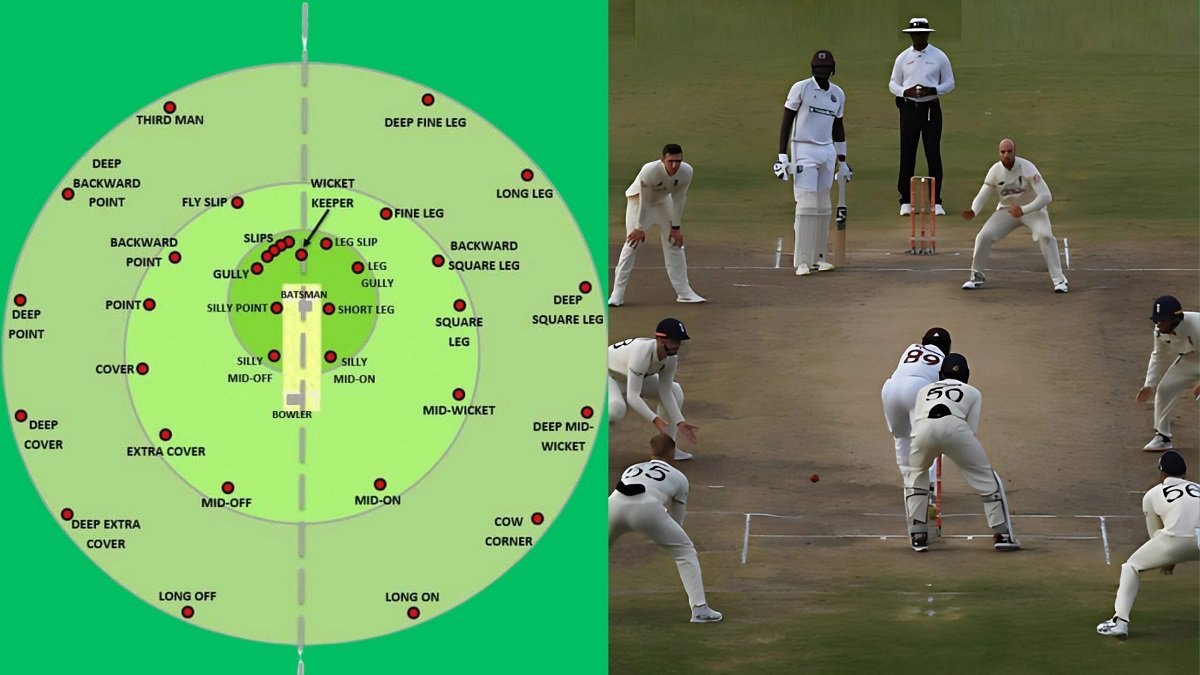
Cricket Field Placements
Cricket area placements play a important function in figuring out the outcome of a in shape, but they’re regularly misunderstood by way of beginners and casual fanatics. While batting and bowling usually get the spotlight, smart area placement can turn a median bowler into a wicket-taker and limit even the satisfactory batters. In present day cricket, where formats like T20 and ODI demand brief wondering, discipline placements have developed into a science that blends method, psychology, and revel in.
In simple terms, cricket subject placements confer with wherein fielders are located at the ground with the aid of the captain. These placements depend upon more than one elements consisting of the sort of bowler, the batter’s strengths and weaknesses, healthy format, pitch circumstance, and recreation scenario. A defensive setup pursuits to store runs, while an attacking setup focuses on taking wickets. Understanding those placements facilitates gamers perform better and allows fanatics to revel in the game more deeply.
This guide breaks down all cricket field placements in a simple and easy-to-understand way, covering their names, purposes, different types, and how they’re used in various formats of the game. Whether you’re new to cricket, play at club level, Whether you’re new to cricket, play at club level, or create analytical content around match strategies and trusted sportsbook reviews, understanding cricket field placements adds depth to how games are read, predicted, and enjoyed.
What Are Cricket Field Placements?
Cricket field placements are the precise positions assigned to fielders on the cricket ground in the course of a shipping. The captain comes to a decision these positions, often after consulting the bowler and wicketkeeper. Each placement has a particular call and purpose, designed either to catch the ball, forestall runs, or apply stress on the batter.
Field placements aren’t random. Instead, they may be cautiously deliberate based totally on:
- Batter’s shot preferences
- Bowler’s line and duration
- Match scenario (powerplay, demise overs, defensive section)
- Pitch behavior
- Fielding regulations under cricket laws
In international cricket, captains are judged closely on how successfully they use area placements. A small positional change can result in a wicket or keep numerous runs.
Importance of Cricket Field Placements
Cricket discipline placements are essential due to the fact they immediately have an effect on scoring styles and wicket possibilities. Good fielding positions can frustrate batters, pressure mistakes, and construct pressure over time. On the alternative hand, terrible placements permit smooth singles and limitations.
Some key motives why subject placements count number:
- They assist the bowler’s plan
- They exploit a batter’s weak spot
- They manipulate the run price
- They create catching chances
- They exchange the momentum of the fit
In short, area placement is the captain’s strongest weapon, especially while conditions choose batters.
Cricket Fielding Positions Explained
Below is a table explaining common Cricket Field Placements and their roles.
Table: Basic Cricket Fielding Positions
| Fielding Position | Location on Field | Main Purpose |
|---|---|---|
| Slip | Behind batter on off side | Catch edges |
| Gully | Squarer than slip | Catch thick edges |
| Point | Square on off side | Stop cuts |
| Cover | Between point and mid-off | Stop drives |
| Mid-Off | Straight off side | Prevent straight drives |
| Mid-On | Straight leg side | Stop on drives |
| Square Leg | Square on leg side | Catch flicks |
| Fine Leg | Behind square leg | Stop fine shots |
| Third Man | Behind slip region | Catch edges, stop runs |
| Long-On | Deep mid-on | Boundary protection |
| Long-Off | Deep mid-off | Boundary protection |
Off Side and Leg Side Explained
The cricket area is divided into off aspect and leg side, based on the batter’s stance.
- Off Side: The side of the sector in front of the batter
- Leg Side (On Side): The facet at the back of the batter
Field placements are planned differently for off side and leg side, depending on shot selection and bowling style.
Attacking Field Placements in Cricket
Attacking field placements are used when a group desires to take wickets, usually in Test cricket or early overs of constrained-overs fits. These placements contain near-in fielders who are equipped to trap edges and mistakes.
Common Attacking Fielders:
- Slips
- Gully
- Short leg
- Silly point
- Leg slip
When to Use Attacking Field Placements:
- New ball overs
- When the batter is new
- On useful pitches
- When protecting a low total
Table: Attacking Field Setup
| Position | Role |
|---|---|
| Slip | Catch outside edge |
| Gully | Catch thick edge |
| Short Leg | Catch bat-pad shots |
| Silly Point | Pressure batter |
| Mid-Off (up) | Force risky shots |
Defensive Field Placements in Cricket
Defensive discipline placements goal to shop runs as opposed to take wickets. These are not unusual in ODI and T20 cricket, mainly throughout dying overs or while protecting a lead.
Defensive setups push fielders toward the boundary to forestall fours and sixes.
Common Defensive Positions:
- Long-on
- Long-off
- Deep square leg
- Deep cover
- Deep mid-wicket
Table: Defensive Field Setup
| Position | Purpose |
|---|---|
| Deep Cover | Stop cover drives |
| Long-On | Prevent straight sixes |
| Long-Off | Save boundaries |
| Deep Square Leg | Stop pulls |
| Deep Fine Leg | Stop glances |
Cricket Field Placements for Fast Bowlers
Fast bowlers rely closely on slips and catching positions. Their area placements trade with swing, seam, and pitch conditions.
Typical Fast Bowler Field:
- 2–3 slips
- Gully
- Point
- Mid-off
- Mid-on
- Fine leg
Fast bowlers often bowl out of doors off stump, so off-aspect fielders dominate.
Cricket Field Placements for Spin Bowlers
Spin bowling discipline placements are greater competitive and tactical. Spinners tempt batters to hit within the air.
Common Spin Field Placements:
- Slip
- Short leg
- Silly point
- Mid-wicket
- Long-on
Spinners use leg-aspect traps and near-in fielders to create strain.
T20 Cricket Field Placements Strategy
In T20 cricket, area placements are especially dynamic. Captains continuously alternate positions based totally on batter purpose.
Key T20 Fielding Principles:
- Protect limitations
- Force batters to take dangers
- Use angles well
Powerplay subject placements are attacking, while loss of life overs are protecting.
ODI Cricket Field Placements Strategy
ODI cricket calls for a balanced technique. Field placements exchange in keeping with overs:
- First 10 overs: attacking
- Middle overs: containment
- Final overs: boundary protection
Captains rotate fielders to manipulate singles and build stress.
Test Cricket Field Placements Strategy
Test cricket focuses on patience and sustained pressure. Captains maintain close catchers for lengthy spells and believe bowlers.
Key Test fielding trends:
- Multiple slips
- Short leg presence
- Minimal boundary riders
Fielding Restrictions and Rules
Cricket laws restriction field placements:
- Only 2 fielders in the back of rectangular on leg aspect
- Powerplay restrictions follow in constrained-overs
- Inner circle policies in ODIs
Understanding regulations enables captains avoid penalties.
How Captains Decide Field Placements
Captains recollect:
- Batter’s weak spot
- Bowler’s electricity
- Match situation
- Pitch and climate
Good captains continuously read the sport and modify area placements hence.
Common Mistakes in Cricket Field Placements
Some common mistakes consist of:
- Too protective too early
- Ignoring batter strengths
- Poor communique
- Static field settings
Avoiding those mistakes improves crew overall performance.
Conclusion: Mastering Cricket Field Placements
Cricket field placements are an crucial a part of the game that regularly comes to a decision matches silently. While batting and bowling can also scouse borrow the headlines, smart fielding techniques win championships. From attacking slip cordons to protecting boundary riders, every position has a reason.
By expertise cricket discipline placements extensive, players improve focus, captains sharpen leadership, and fanatics benefit deeper perception into the game. Whether you watch Test cricket or T20 leagues, discipline placements are the hidden chess moves of cricket.