









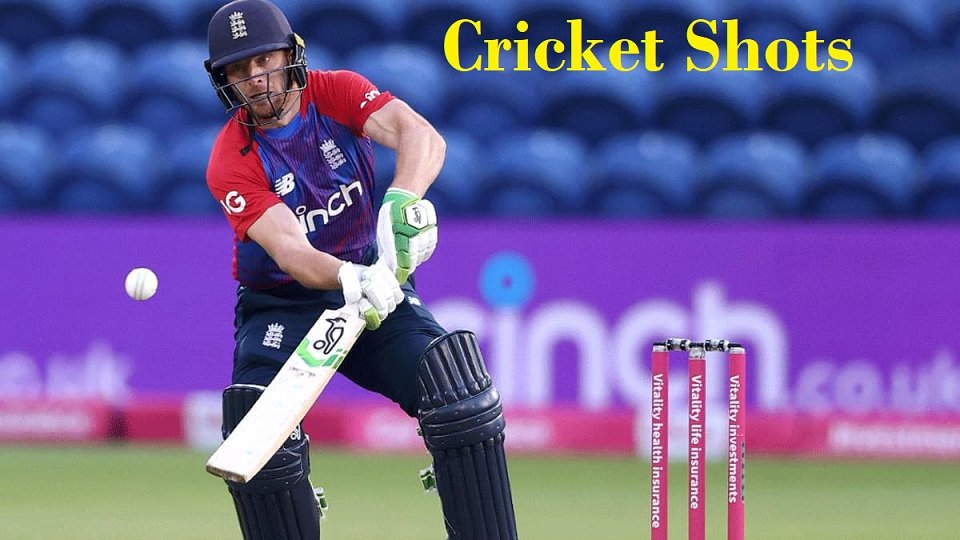
Cricket Shots
Cricket is a sport of timing, precision, endurance, and energy. However, what actually defines a batter’s greatness is the capability to execute the proper cricket shot on the right moment. Every run scored on the sphere is the end result of a cautiously decided on shot. Therefore, expertise cricket photographs is important for beginners, intermediate players, and even advanced specialists.
In this comprehensive guide, you’ll learn about specific styles of cricket pictures, their strategies, when to use them, footwork styles, common mistakes, and education strategies. Moreover, we are able to discover iconic gamers famous for precise photographs and offer structured tables for easy understanding.
Let’s begin by means of expertise what cricket photographs honestly are.
What Are Cricket Shots?
Cricket pictures are batting strokes played by a batter to score runs or shield the wicket. Each shot relies upon on numerous elements such as:
- Line and period of the ball
- Speed of the bowler
- Field placement
- Match situation
- Player’s strength and skill
Although batting may look easy, it surely requires robust technical expertise. A slight mistake in timing or footwork can lead to a dismissal. Therefore, getting to know cricket photographs calls for discipline and practice.
Classification of Cricket Shots
Cricket shots can widely be divided into the subsequent categories:
| Category | Description | Example Shots |
|---|---|---|
| Defensive Shots | Played to protect the wicket | Forward Defense, Backfoot Defense |
| Front Foot Shots | Played by stepping forward | Cover Drive, Straight Drive |
| Back Foot Shots | Played by moving backward | Cut Shot, Pull Shot |
| Cross-Batted Shots | Horizontal bat shots | Pull, Hook, Sweep |
| Lofted Shots | Played aerially to clear fielders | Lofted Drive, Slog |
| Innovative Shots | Modern creative strokes | Switch Hit, Scoop |
Now, let us explore each type in element.
Defensive Cricket Shots
1. Forward Defense
The ahead shielding shot is the inspiration of batting. It is played when the ball pitches on a very good period.
Technique:
- Step forward towards the ball.
- Keep the bat close to the pad.
- Present the whole face of the bat.
- Keep your head over the ball.
This shot does no longer aim to score runs. Instead, it builds self belief and balance.
2. Backfoot Defense
This shot is played against short-of-duration deliveries.
Technique:
- Move your lower back foot towards the stumps.
- Stay balanced.
- Keep the bat directly and angled downward.
It helps neutralize fast bowlers on bouncy pitches.
Front Foot Cricket Shots
Front foot photographs are elegant and effective. They are usually performed in opposition to full or overpitched deliveries.
3. Straight Drive
The directly pressure is taken into consideration the most classical shot in cricket. It is performed immediately down the floor beyond the bowler.
Key Points:
- Perfect balance
- Head regular
- Bat swing instantly
- Full extension of palms
This shot reflects pure timing instead of power.
4. Cover Drive
The cowl power is played via the quilt region on the off facet.
Technique:
- Step in the direction of the line of the ball.
- Lean forward.
- Follow via completely.
It is one of the maximum visually appealing cricket shots.
5. On Drive
The on drive is much like the cover drive however performed at the leg aspect.
Key Technique:
- Step in the direction of mid-on.
- Maintain wrist manipulate.
- Keep the bat straight.
6. Flick Shot
The flick shot is played the use of the wrists to manual the ball in the direction of mid-wicket or square leg.
Important Points:
- Ideal for balls on leg stump.
- Requires robust wrist control.
- Excellent for short singles.
Back Foot Cricket Shots
Back foot shots are important for coping with tempo and jump.
7. Cut Shot
The reduce shot is played in opposition to quick and huge deliveries outside off stump.
Technique:
- Move again.
- Open the bat face.
- Hit rectangular via factor.
Timing is vital in this shot.
8. Pull Shot
The pull shot is played towards quick-pitched balls directed closer to the frame.
Technique:
- Shift weight to again foot.
- Swing bat horizontally.
- Keep eyes at the ball.
This shot generates electricity.
9. Hook Shot
The hook shot is just like the pull but is played towards quicker and higher bouncers.
Key Elements:
- Quick reflexes.
- Strong upper body.
- Controlled aggression.
Cross-Batted Cricket Shots
Cross-batted photographs use a horizontal bat swing.
| Shot | Played Against | Direction |
|---|---|---|
| Pull | Short ball | Mid-wicket |
| Hook | Bouncer | Fine leg |
| Sweep | Spin | Square leg |
| Reverse Sweep | Spin | Third man |
| Slog | Full ball | Deep mid-wicket |
10. Sweep Shot
The sweep shot is performed against spinners.
Technique:
- Kneel on one leg.
- Extend bat horizontally.
- Sweep throughout the line.
It disrupts the spinner’s rhythm.
11. Reverse Sweep
This current variant is played by way of switching the bat direction.
It confuses discipline placements and creates scoring possibilities.
Lofted and Power Cricket Shots
Modern cricket needs aggressive batting.
12. Lofted Drive
This shot is played in the air intentionally.
Technique:
- Get underneath the ball.
- Swing with full strength.
- Maintain balance.
Used regularly in T20 cricket.
13. Slog Shot
The slog is a effective pass-batted shot aimed at clearing the boundary.
Although volatile, it is powerful in dying overs.
Innovative Modern Cricket Shots
Modern cricket brought creative strokes.
| Shot | Purpose | Risk Level |
|---|---|---|
| Switch Hit | Change batting stance | High |
| Scoop | Lift over wicketkeeper | Medium |
| Ramp Shot | Deflect over slips | Medium |
| Helicopter Shot | Wrist-powered finish | High |
14. Scoop Shot
The scoop shot lifts the ball over the wicketkeeper.
It requires particular timing and focus.
15. Switch Hit
The batter modifications stance from proper-handed to left-surpassed (or vice versa).
It is extremely superior and calls for exercise.
Essential Elements for Perfect Cricket Shots
1. Grip
A proper grip ensures manipulate and power.
- Top hand controls course.
- Bottom hand adds electricity.
2. Stance
Balanced stance results in better shot execution.
- Feet shoulder-width apart.
- Knees barely bent.
- Eyes stage.
3. Footwork
Footwork determines timing.
Good foot movement reduces the hazard of getting out.
4. Timing
Timing is greater important than electricity. Even a gentle push can attain the boundary if timed efficiently.
Practice Drills to Improve Cricket Shots
| Drill | Purpose | Frequency |
|---|---|---|
| Shadow Practice | Improve technique | Daily |
| Throwdown Practice | Improve timing | 3–4 times weekly |
| Bowling Machine | Handle pace | Weekly |
| Wrist Training | Strong flick shots | Daily |
| Fitness Training | Stability | 4 times weekly |
Common Mistakes in Playing Cricket Shots
- Poor footwork
- Playing away from the frame
- Over-dedication to competitive photographs
- Ignoring area placements
- Weak backside-hand control
Avoiding those errors improves performance dramatically.
Cricket Shots According to Match Formats
| Format | Preferred Shots | Playing Style |
|---|---|---|
| Test Cricket | Defensive, Drives | Patient |
| ODI | Drives, Pulls, Sweeps | Balanced |
| T20 | Slog, Scoop, Lofted | Aggressive |
Each layout demands a extraordinary approach.
How Pitch Conditions Affect Cricket Shots
- Green Pitch: Favor protecting play
- Flat Pitch: Encourage drives and lofted photographs
- Dusty Pitch: Sweep pictures emerge as essential
- Bouncy Pitch: Pull and hook pictures beneficial
Understanding pitch enables in shot selection.
How to Master Cricket Shots as a Beginner
- Start with protecting shots.
- Focus on balance and timing.
- Practice instantly bat pictures first.
- Gradually research go-batted photographs.
- Improve fitness and reflexes.
Consistency results in mastery.
Mental Approach in Playing Cricket Shots
Batting isn’t always most effective physical however mental.
- Stay calm under strain.
- Read the bowler.
- Avoid ego battles.
- Choose percentage pictures.
Smart choices improve success charge.
Conclusion
Cricket photographs are the coronary heart of batting. Every a success batter masters the fundamentals before experimenting with advanced strokes. While aggressive photographs may additionally entertain crowds, stable technique builds careers.
Therefore, recognition on grip, stance, footwork, and timing. Practice often. Analyze mistakes. Adapt in step with pitch and layout. Eventually, with determination and discipline, you may master cricket photographs and increase your recreation to the following stage.