






Introduction
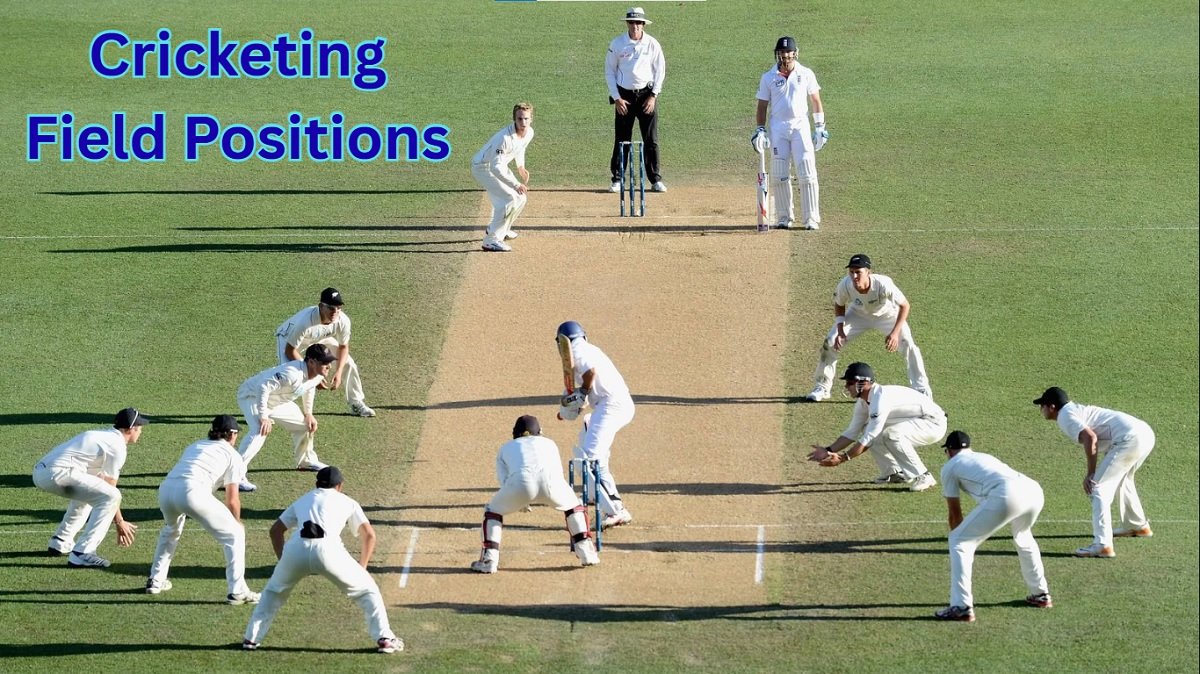
Cricket is a game of skill, approach, and precision — and one of the maximum fascinating aspects of this sport is field placement. The association of fielders on the floor performs a essential position in influencing the outcome of a suit. A properly-planned area setup can create strain on the batsman, set off errors, and eventually cause wickets. Cricketing Field Positions.
Understanding cricketing Field positions isn’t most effective important for gamers but also for spectators who want to investigate the sport extra deeply. Whether it’s a quick bowler steaming in with a slip cordon expecting an part, or a spinner putting a trap with a leg slip and silly point, fielding positions define the tactics of the sport.
In this complete guide, we are able to discover each fielding function in cricket — from slip to square leg, point to third guy, and lengthy-on to first-class leg — along with diagrams, examples, and strategies used in special formats of the sport.
1. What Are Cricketing Field Positions?
In cricket, fielding positions consult with unique areas on the sector in which gamers are strategically positioned to forestall runs, take catches, or create strain at the batsman. The placement of fielders varies relying on the bowler’s style, the batsman’s strengths, the suit layout, and the game state of affairs.
For instance, in Test matches, captains frequently set attacking fields with slips and short legs, whereas in T20 cricket, captains opt for boundary riders to prevent large hits.
2. Basics of Fielding in Cricket
Before diving into the positions, it’s essential to apprehend that the cricket discipline is divided into halves — the off facet and the leg side (also known as the on facet). Each half has more than one positions, and the captain decides where to area the fielders.
A popular team has 11 players, together with the bowler and wicketkeeper, leaving 9 fielders to be had for placement.
Fielders may be:
- Close to the batsman (for catches or strain)
- Inside the circle (to prevent singles)
- On the boundary (to forestall limitations or sixes)
3. Division of the Cricket Field
The cricket subject may be divided into zones based on distance from the batsman:
| Zone | Distance from Batsman | Fielding Purpose |
|---|---|---|
| Close-in Field | Within 10–15 meters | Catching and pressure |
| Inner Circle | Up to 30 yards | Saving singles and quick runs |
| Outfield | Beyond 30 yards | Stopping boundaries and sixes |
4. Understanding the Off Side and Leg Side
The off side is the 1/2 of the sector in front of the batsman’s bat aspect, at the same time as the leg side (or on side) is at the back of the batsman’s legs while facing the bowler.
| Side | Common Field Positions |
|---|---|
| Off Side | Slip, Point, Cover, Extra Cover, Mid-off, Third Man |
| Leg Side | Fine Leg, Square Leg, Mid-wicket, Mid-on, Long Leg |
5. Close Catching Positions
Close-in positions are vital in Test cricket whilst bowlers goal to induce edges or fake pictures.
| Position | Description | Typical Use |
|---|---|---|
| Slip | Next to the wicketkeeper, waiting for edges | Used for pace bowlers |
| Gully | Between point and slip | Catches edged balls |
| Leg Slip | Behind batsman on leg side | For spin bowlers |
| Silly Point | Very close on off side | For spinners |
| Short Leg | Close on leg side | To catch bat-pad shots |
| Silly Mid-on / Mid-off | Close to batsman | Pressure and catching |
6. Inner Circle and Outfield Positions
These positions help store runs and restriction obstacles.
| Inner Circle Positions | Purpose |
|---|---|
| Point | Stop cuts and square shots |
| Cover | Stop drives through off side |
| Mid-off | Guard the straight drive |
| Mid-on | Prevent straight shots on leg side |
| Mid-wicket | Save flicks and pull shots |
| Square Leg | Stop leg-side shots |
| Fine Leg | Catch glances and deflections |
| Outfield Positions | Purpose |
|---|---|
| Deep Point | Stop cuts or lofted shots |
| Deep Cover | Protect off-side boundary |
| Long-off | Stop big hits straight down |
| Long-on | Stop leg-side straight hits |
| Deep Mid-wicket | Protect against slog sweeps |
| Deep Square Leg | Save powerful pulls |
| Third Man | Catch edged balls |
| Long Leg | Stop fine glances |
7. Field Positions for Fast Bowlers
Fast bowlers depend upon tempo and leap, so fielders are positioned for edges and catches.
Typical setup for a quick bowler:
- 1 wicketkeeper
- three slips
- 1 gully
- 1 factor
- 1 cover
- 1 mid-off
- 1 mid-on
- 1 fine leg
- 1 1/3 guy
This setup goals batsmen with seam or swing movement, hoping for nicks at the back of or mis-hits.
8. Field Positions for Spin Bowlers
Spinners rely upon flight, spin, and deception. Their subject setup specializes in catching near the wicket.
Common spin-bowling subject:
- Wicketkeeper
- Slip / Leg Slip
- Short Leg
- Silly Point
- Mid-wicket
- Mid-on
- Mid-off
- Square Leg
- Long-on / Long-off
This facilitates entice batsmen who try and play towards the spin or loft the ball. Cricketing Field Positions.
9. Specialized Fielders and Their Roles
| Player | Role |
|---|---|
| Wicketkeeper | Behind stumps; key in catches and stumpings |
| Slip Fielders | React fast to edged balls |
| Point | Agile; stops cut shots |
| Mid-wicket | Guards powerful leg-side shots |
| Boundary Riders | Save sixes and fours |
| Substitute Fielder | Can replace injured players |
10. Important Cricket Fielding Rules
- No greater than two fielders at the back of square leg.
- During powerplays, most effective a certain wide variety of fielders may be outside the 30-yard circle.
- Wicketkeeper ought to stand at once at the back of the stumps.
- Fielders cannot hinder the batsman’s view or motion.
11. Fielding Restrictions in Limited-Overs Cricket
| Format | Powerplay Overs | Fielders Allowed Outside Circle |
|---|---|---|
| ODI | 1–10 | 2 fielders |
| ODI | 11–40 | 4 fielders |
| ODI | 41–50 | 5 fielders |
| T20 | 1–6 | 2 fielders |
| T20 | 7–20 | 5 fielders |
Cricketing Field Positions
These restrictions encourage aggressive batting throughout powerplays.
12. Famous Fielding Setups in Cricket History
- MS Dhoni’s “Leg Trap” for Spinners: Used against left-handers to result in bat-pad catches.
- Steve Waugh’s “Umbrella Field”: Several close catchers across the bat in Tests.
- Eoin Morgan’s “Boundary Wall”: Defensive setup for T20 dying overs.
13. Tips for Improving Field Placement Strategy
- Study the batsman’s strengths — Know which regions they rating most.
- Adjust for pitch situations — Dry pitches in shape spinners; grassy ones choose tempo.
- Use records and analytics — Modern cricket makes use of warmth maps to devise fields.
- Communicate continuously — Fielders should always speak and reposition dynamically.
- Stay bendy — Change fields based totally on match momentum.
14. Summary Table of All Cricket Field Positions
| Zone | Position Names |
|---|---|
| Close-in | Slip, Gully, Short Leg, Silly Point, Leg Slip |
| Inner Circle | Point, Cover, Mid-off, Mid-on, Square Leg, Mid-wicket |
| Outfield | Deep Point, Deep Cover, Long-off, Long-on, Deep Mid-wicket, Third Man, Fine Leg, Long Leg |
Cricketing Field Positions
15. Final Thoughts
Fielding positions are not pretty much filling areas — they mirror a captain’s attitude and method. A protecting field signals caution, even as an attacking field indicates motive. From Test suits’ diffused traps to T20’s dynamic placements, learning Cricketing Field Positions is essential for understanding the lovely chess-like procedures of cricket.
Whether you’re a budding cricketer, teach, or passionate fan, analyzing subject setups can transform the way you view the game. The subsequent time you watch a in shape, take a look at how a captain moves his fielders — you’ll understand that every function tells a story.