










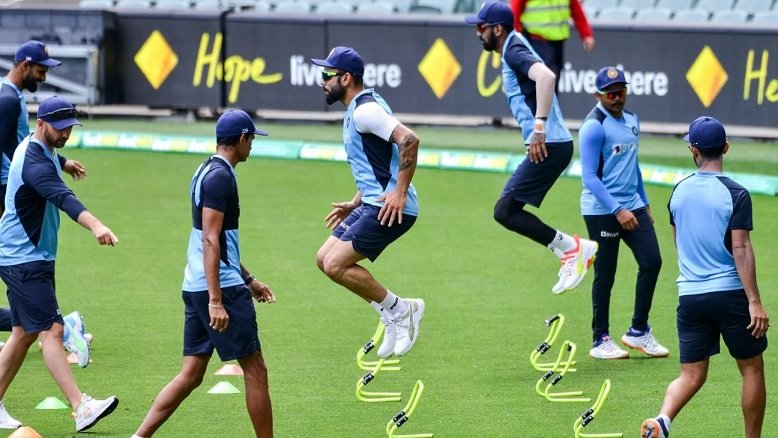
If you’ve ever watched a close cricket match from the boundary line or the couch, you know the game is no longer just about elegant cover drives or perfect yorkers. Modern cricket is physical, demanding, and relentless. Matches can stretch for hours, tournaments for weeks, and the difference between a good player and a great one often comes down to fitness and nutrition rather than pure talent.
I’ve spoken to club cricketers, academy players, and even semi-pro athletes who all say the same thing: they practiced their skills endlessly but only started seeing real progress once they took care of their bodies. Cricket may look graceful, but behind that grace is a lot of sweat, discipline, and smart fueling. Let’s talk about what that actually looks like in real life-not as a rigid rulebook, but as habits you can realistically build into your routine.
Why fitness matters more than ever in cricket
Cricket used to be perceived as a slower sport, especially in longer formats. That perception has changed completely. Whether you’re a fast bowler sprinting in for spell after spell, a batter rotating strike under pressure, or a fielder diving repeatedly on hard turf, your body is constantly under stress.
What many young cricketers don’t realize is that fitness isn’t just about endurance. It’s about staying sharp late in the game, maintaining technique when tired, and reducing injury risk across a long season. A fitter player doesn’t just last longer-they make better decisions under pressure. That split-second throw, that last over, that final chase all demand a body that can still respond when the mind asks it to. To support stamina and circulation, some athletes also consider adding nitric oxide capsules to their regimen, often comparing trusted options available on amazon.com as part of their overall performance routine.
Building cricket-specific fitness, not just “gym fitness”
One common mistake is training like a generic gym-goer. Big muscles might look impressive, but cricket rewards functional strength and mobility far more. Think about the movements you repeat during a match: sprinting short distances, twisting your torso while batting, rotating your shoulder at high speed while bowling, and staying low while fielding.
Instead of chasing heavy lifts every session, many competitive cricketers benefit from workouts that blend strength, speed, and flexibility. Compound movements like squats, lunges, push-ups, and pull-ups build usable strength. Add in sprint intervals and agility drills, and you start to mirror match conditions more closely.
Equally important is recovery. Stretching, mobility work, and even simple walking on rest days help your muscles recover faster. A lot of injuries don’t come from one dramatic moment but from accumulated fatigue. Listening to your body is not weakness-it’s professionalism.
Endurance that lasts beyond the first innings
Endurance in cricket is subtle. It’s not about running marathons; it’s about repeated effort with minimal drop-off. You might be fresh in the first hour, but what happens in the fifth or sixth? That’s where conditioning shows.
Simple habits can make a huge difference. Regular cardio-whether it’s steady jogging, cycling, or swimming-builds a base. Layer that with interval training to simulate bursts of high intensity, like chasing a ball to the boundary or sprinting between wickets.
What’s often overlooked is mental endurance. Physical fatigue affects concentration, and that’s when mistakes creep in. A well-conditioned body supports a focused mind, allowing you to stay switched on even when the legs feel heavy.
Nutrition: the silent performance booster
You can train perfectly and still underperform if your nutrition is off. Food isn’t just fuel; it’s information for your body. What you eat determines how well you recover, how stable your energy levels are, and how resilient you feel over time.
Competitive cricketers don’t need extreme diets. What they need is consistency. Regular meals with a balance of carbohydrates, protein, and healthy fats help maintain energy throughout long training days and matches. Carbohydrates are essential in cricket because they replenish glycogen, your body’s primary energy source during prolonged activity.
Protein supports muscle repair, which is crucial when you’re training multiple days a week. Healthy fats-from nuts, seeds, and natural oils-support joint health and overall recovery. When these elements work together, you feel the difference not just physically, but mentally as well.
Match-day eating without stress
Match days can be chaotic. Early starts, travel, nerves-it’s easy to skip meals or grab something convenient but unhelpful. Over time, many players learn that preparation is everything.
Eating familiar foods before a match reduces the risk of stomach issues and energy crashes. A balanced meal a few hours before play, followed by light snacks during breaks, keeps energy levels stable. Hydration is just as important; even mild dehydration can affect reaction time and decision-making.
Some players plan their meals using simple tools, such as a menu maker, to map out options for training days and match days. This removes guesswork and helps maintain routine, especially during tournaments when schedules change constantly.
Hydration and electrolytes: small details, significant impact
Cricket is often played in hot conditions, and sweating is unavoidable. Water alone sometimes isn’t enough, especially during long spells in the field. Losing electrolytes can lead to cramps, fatigue, and reduced coordination.
This doesn’t mean you need fancy supplements for every session. Sometimes it’s as simple as adding natural electrolyte sources through food or lightly flavored drinks. The key is awareness-pay attention to how your body feels during and after play. Headaches, unusual fatigue, or muscle tightness are often signs you need to hydrate better.
Recovery nutrition and the next-day difference
What you eat after training or a match can determine how you feel the next day. Recovery meals don’t need to be complicated, but they should include carbohydrates to replenish energy stores and protein to repair muscle tissue.
Many players notice that when they skip proper recovery nutrition, the next session feels heavier. Stiffness lingers longer, and motivation dips. On the other hand, a simple, well-timed meal can make you feel surprisingly fresh.
Planning recovery meals ahead of time-again, sometimes with the help of a menu maker-can be the difference between showing up tired or ready for the next challenge.
Real-life consistency beats perfection
One of the biggest myths around fitness and nutrition is that you need to be perfect. You don’t. What matters is what you do most of the time. Competitive cricketers who improve steadily are usually the ones who stick to reasonable habits rather than extreme routines.
They train smart, eat sensibly, hydrate regularly, and recover intentionally. They also allow themselves flexibility, understanding that life happens. That balance makes the lifestyle sustainable, ultimately keeping you improving season after season.
The mindset that ties it all together
At its core, fitness and nutrition in cricket are about respect-for your body, your teammates, and the game itself. When you take care of yourself, you’re not just improving your own performance; you’re becoming more reliable for your team.
It’s not about copying what professionals do exactly. It’s about adapting principles to your level, schedule, and resources. Small changes, applied consistently, compound into noticeable improvements over time.
Final thoughts
Competitive cricket rewards those who prepare beyond the nets. Skills may get you noticed, but fitness and nutrition keep you in the game when it matters most. By training with purpose, fueling your body thoughtfully, and respecting recovery, you give yourself the best chance to perform at your peak.
You don’t need to overhaul your life overnight. Start with awareness, make one or two changes, and build from there. Over time, you’ll notice not just better performance, but greater confidence every time you walk onto the field.